
Let’s be honest. There’s nothing worse than standing in ankle-deep water while you’re trying to take a shower. Or watching your kitchen sink refuse to drain after you’ve just finished washing dishes. If you’re a Utah homeowner, you know exactly what we’re talking about. Clogged drains are one of those things nobody thinks about until they become a problem. But here’s the good news. Understanding drain cleaning doesn’t have to be complicated. And knowing what to do can save you a ton of money and hassle down the road. So let’s dive into everything you need to know about keeping your drains happy and flowing smoothly.
Why Your Utah Drains Keep Acting Up
Living in Utah comes with its own plumbing challenges. Our water is notoriously hard; loaded with minerals that cling to the inside of pipes. Over time, these deposits narrow the passage and create rough surfaces where hair, soap, and debris easily collect, eventually leading to clogs. Then there’s the weather. Winter freezes can stress and crack pipes, while dry summers drive tree roots in search of moisture, often straight into your sewer lines.
Your Drains Are Trying to Tell You Something
Your drains rarely fail without warning. You just need to know the signs.
Water That Won’t Go Down
If water lingers or drains slowly, that’s your first warning. It won’t fix itself, and it will get worse.
Gurgling or Odd Noises
Strange sounds mean trapped air is fighting its way around a blockage. Your drain is calling for help.
Foul Smells
Sewer-like odors in the kitchen or bathroom signal buildup in your pipes. It won’t smell better tomorrow.
Multiple Drains Slowing Down
When more than one drain acts up, you’re likely dealing with a main line issue. Don’t brush this off.
Water Backing Up
The biggest red flag: water returns through other fixtures when you run or flush. That’s main drain territory. Get help fast.
Let’s Talk About Your Kitchen Sink
Your kitchen sink puts up with a lot. Think about everything that goes down there. Food scraps, grease, dish soap, coffee grounds. It’s amazing it works as well as it does.
What You Should Never Put Down There
Never put these in your kitchen sink:
Grease and cooking oils
Coffee grounds
Eggshells
Pasta, rice, or starchy foods
Easy Ways to Prevent Problems
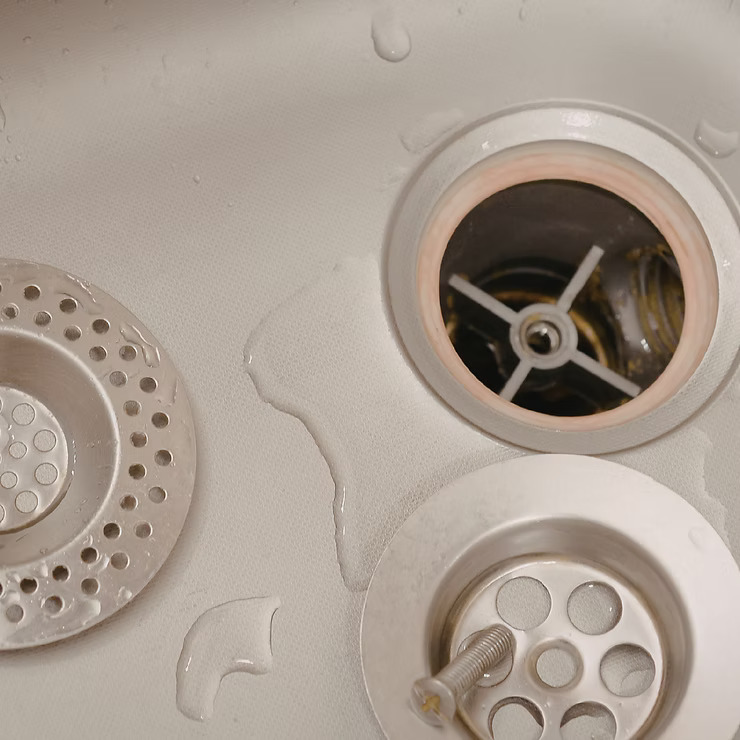
Here’s a simple trick. Run hot water for about 30 seconds after you use your sink. This helps push everything through. And grab a drain screen. They’re cheap and they catch all the stuff that shouldn’t go down your drain. If you have a garbage disposal, toss some ice cubes and lemon peels in there once in a while. It cleans things up and makes everything smell better. Win-win. When kitchen drain cleaning becomes necessary, it’s usually because grease buildup has gotten out of hand. Professional cleaning can remove years of accumulated gunk and get your sink draining properly again.
Bathroom Drains Need Love Too
Bathrooms are a whole different beast. Hair is public enemy number one here, especially in your shower.
Dealing With Shower Clogs
Hair mixed with soap scum creates these tough clogs that are hard to beat. The easiest fix? A drain screen. Seriously, they catch most hair before it ever becomes a problem. If you already have a clog, you might need professional shower drain clog removal. These blockages usually sit way down in your pipes where your DIY efforts can’t reach.
Keeping Sinks and Tubs Clear
Pull out those pop-up stoppers once a month and clean them. You’ll be amazed at how much gunk collects there. Pour a pot of boiling water down your bathroom drains every week. It melts away soap buildup like magic. And please, skip the chemical drain cleaners. They’re harsh on your pipes and they don’t really solve the problem. Plus, the fumes are nasty and they can burn your skin. If you’re dealing with persistent bathroom drain cleaning issues, professionals can identify whether it’s hair buildup, soap scum, or something more serious causing the problem.
Hydro Jetting: The Heavy-Duty Drain Cleaning Solution
Ever heard of hydro jetting? Think of it as a power washer for your pipes. When regular snaking fails, hydrojet plumbing near you can clear the toughest clogs. Unlike traditional methods that just poke holes, hydro jetting blasts away grease, mineral buildup, and even tree roots. It cleans your pipes so thoroughly they look brand new and helps prevent future clogs. No wonder more homeowners are turning to it.
When It’s Time to Call in the Pros
Old pipes, especially lead ones, pose health risks. Consider these important safety factors:
Lead Contamination: Lead can leach into your drinking water. Even low levels cause problems, particularly for children and pregnant women.
Bacterial Growth: Galvanized steel pipes can harbor bacteria as they corrode. The rough interior surfaces create perfect hiding spots for harmful microorganisms.
Modern Materials: A new water line means clean, safe water for your family. Modern materials like PEX and copper don’t corrode or leach harmful substances into your drinking water.
Emergency Situations Cost More
Need emergency water line repair? You’ll pay premium prices. Emergency calls happen on weekends and holidays. You pay extra for immediate service.
Plus, emergency situations often cause more damage. Water floods your basement or yard before you catch the problem.
Planning ahead saves money. You can schedule work at your convenience. You have time to compare quotes and choose the best contractor. You avoid the panic and extra costs that come with emergencies.
What Affects the Cost of Water Line Replacement?
Several factors determine your final bill:
Pipe Length: A pipe running 50 feet costs less than one stretching 150 feet. Distance from the street to your home directly impacts the total price.
Material Choice: Copper costs more than PEX but lasts longer. Your budget and long-term goals help determine the best material for your situation.
Labor Costs: Traditional digging requires more workers and time. Trenchless methods often cost less overall when you factor in yard repairs.
Soil Conditions: Rocky or clay soil takes longer to work with. Difficult terrain increases labor time and equipment needs.
Most homeowners spend between $1,500 and $6,000 for a complete replacement. Complex jobs in difficult terrain can run higher. Simple trenchless replacements might come in at the lower end. Getting multiple quotes helps you understand local pricing.
How to Choose the Right Time
Don’t wait for a complete failure. Plan your replacement during mild weather if possible. Spring and fall offer ideal conditions. The ground is easier to work with. Contractors have more availability too. Consider your home’s age. Houses built before 1970 often have outdated pipes. If you’re planning other renovations, coordinate your plumbing upgrade. You’ll save money by combining projects.
Taking Action for Your Home
Your water line is critical to your daily life. Recognizing the warning signs helps you act before disaster strikes. Whether you need a simple repair or complete water pipe installation, addressing problems early saves money and stress. Modern solutions like trenchless replacement make the job easier than ever. You get a reliable new water line without the mess and disruption of traditional methods. Your home deserves safe, clean water delivered through pipes you can trust. Is your home showing signs of water line trouble? ReScope Drain Aid specializes in both traditional and trenchless water line replacement services. Our experienced team can assess your situation and recommend the best solution for your needs and budget.
Contact ReScope Drain Aid today for a professional evaluation and discover how we can protect your home with quality water line services that last.
Facebook
WhatsApp
Twitter
LinkedIn
Pinterest
RECENT POSTS
Water Heater Repair: When to Fix or Replace It
September 3, 2026
No Comments
Sewer Line Repair: Warning Signs and What It Costs
September 3, 2026
No Comments
When to Consider Water Line Replacement
September 4, 2026
No Comments